Unexpected breakdowns, flat tires, or accidents can interrupt any drive, and understanding how a towing service operates makes the situation easier to manage. A single phone call sets many steps in motion, from dispatching the correct truck to choosing the safest transport method for the vehicle. Drivers who know what information to share and what questions to ask often experience faster response times and fewer surprises. Preparation before trouble occurs allows motorists to stay calm and focused. The following guide explains each stage so the process feels clear and predictable.
Prepare Before Contacting a Towing Business
Keeping the phone number of a dependable towing business saved in advance removes guesswork during an emergency. Online reviews, recommendations from friends, and partnerships with roadside assistance programs help identify companies that operate responsibly. Verifying licensing and insurance confirms that the provider follows state requirements and accepts accountability for the vehicle. Transparent policies and clear communication usually signal a company that treats customers fairly. A little preparation today prevents rushed decisions tomorrow.
Share Accurate Details With Dispatch
The dispatcher depends on precise information to send the correct help. Provide name, callback number, and an exact location that includes landmarks or mile markers. Describe the vehicle’s make, model, color, and license plate, along with the problem, such as a collision or mechanical failure. Clear details allow the towing service to choose proper equipment for flat tire assistance, battery jump starts, or commercial vehicle towing. Calm communication shortens delays and avoids sending the wrong truck.
Ask Important Questions Early
Before the truck arrives, confirm that the towing business is licensed and insured. Ask about accepted payment methods and whether insurance claims can be handled directly. Request an estimated arrival time and the driver’s name for security. Drivers of RVs or heavy trucks should ask if the company provides RV towing or heavy-duty towing to match the vehicle’s weight. These questions establish expectations and prevent confusion at pickup.
Request a Clear Cost Estimate
A written estimate protects against surprise charges. Fees may include mileage, equipment, or after-hours rates, so ask how the price is calculated. Some providers offer flat rates for local moves, while others charge per mile. If roadside assistance coverage applies, confirm billing procedures in advance. An honest towing service explains every line item without pressure and allows the customer to compare options.
Understand Wait Times and Delays
Arrival times vary with traffic, weather, and demand. Urban areas often see quicker responses than rural roads. According to Customer Market Insights, towing is a core segment in the US roadside assistance market, commanding over 30% market share in 2023, a sign that providers continue improving efficiency. Drivers can use waiting time to secure belongings and move to a safe spot. Asking for updates keeps expectations realistic.
Use Standard Vehicle Towing for Common Breakdowns
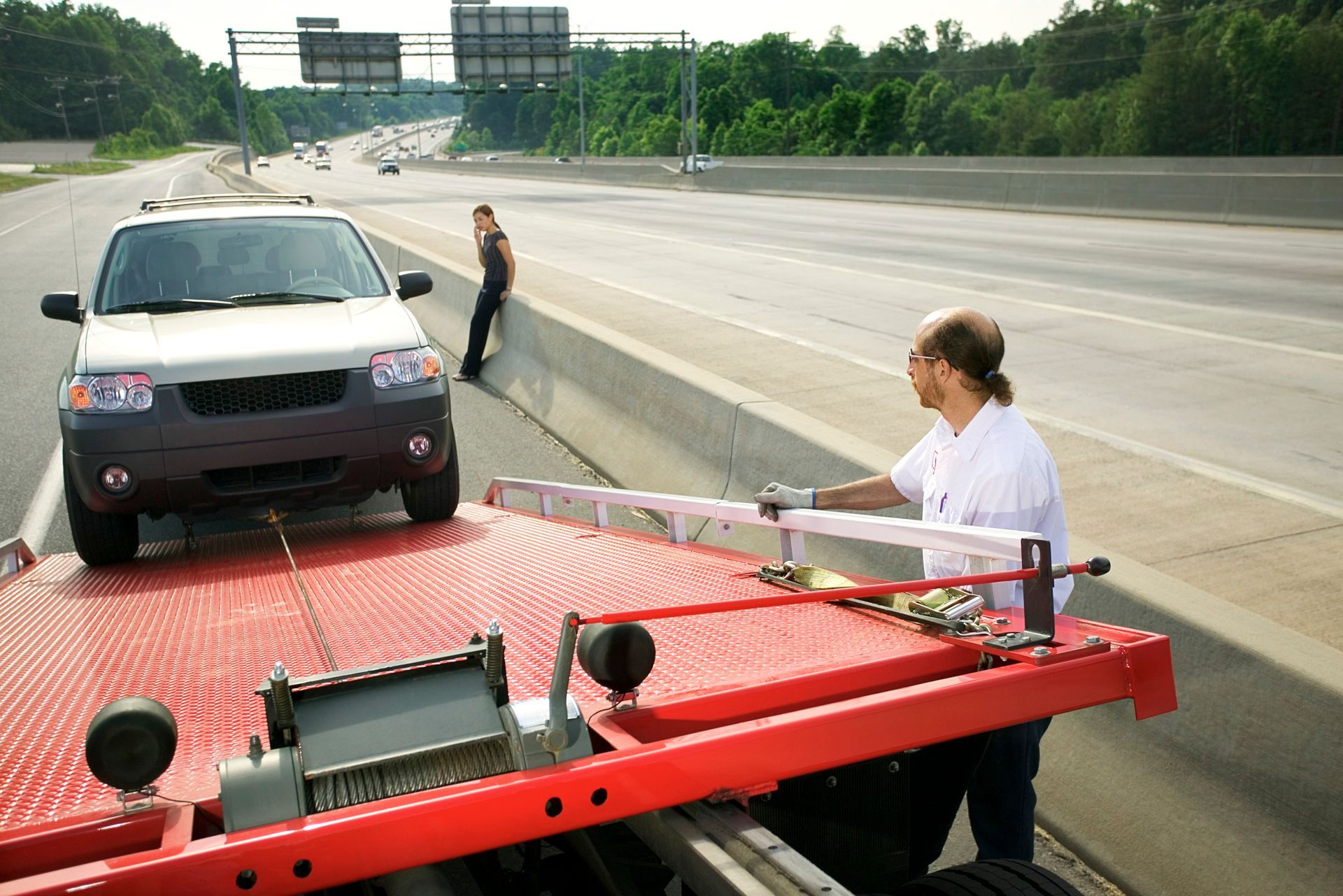
Standard towing fits most sedans and SUVs with routine problems. The truck lifts two wheels and transports the vehicle to a repair shop or home. This option handles everyday situations such as flat tire assistance or battery jump starts quickly and at a moderate cost. The towing business inspects clearance and drivetrain before hookup to avoid strain. Proper handling protects the vehicle during short or medium distances.
Choose Wheel-Lift or Flatbed Methods When Needed
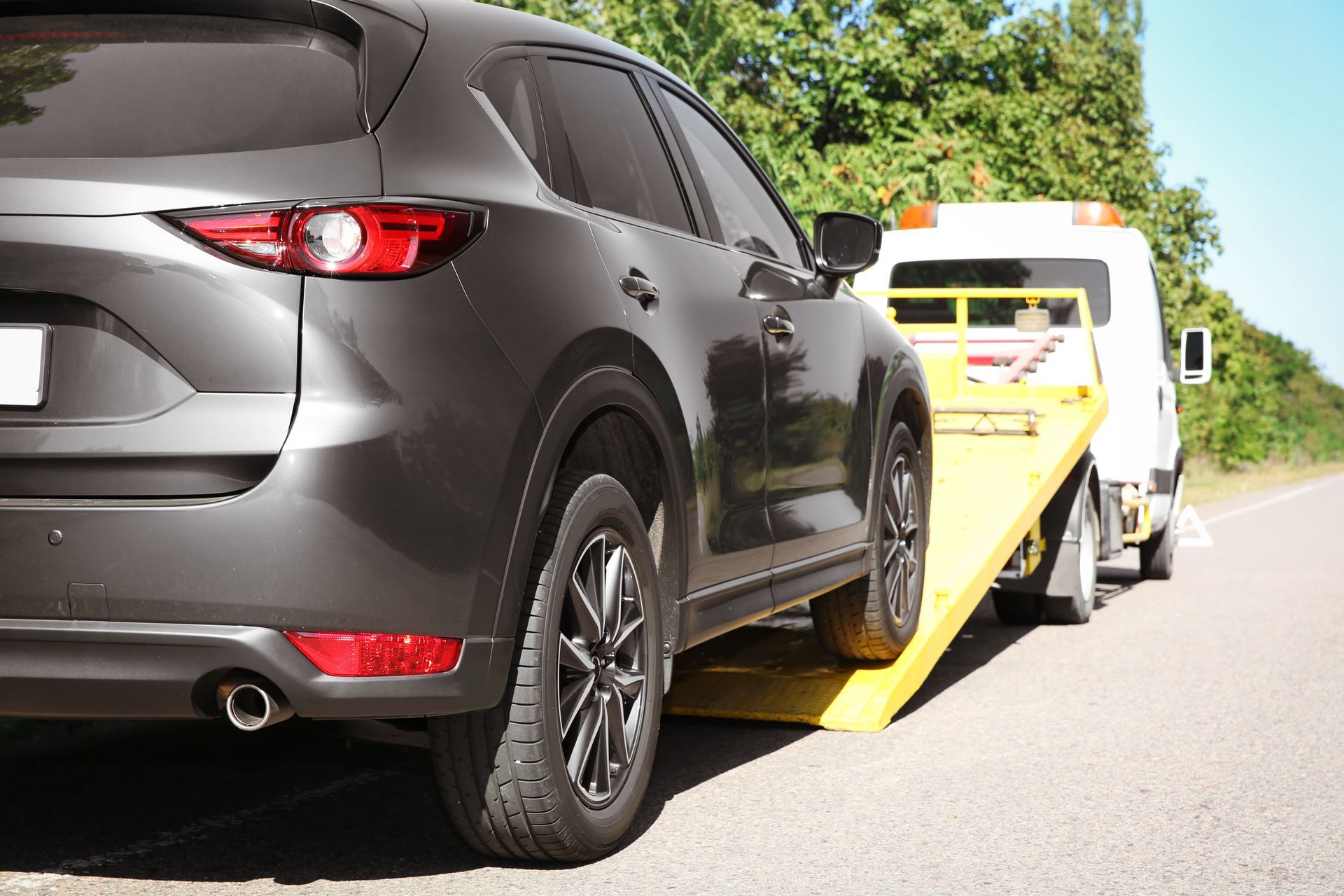
Wheel-lift towing raises the vehicle by the tires rather than the axle, offering gentle support for many models. Flatbed transport loads the entire vehicle onto a platform, a good choice after an accident or for classic cars. The dispatcher recommends the safest method based on the condition and destination. A professional towing service explains why one approach fits better than another and secures the vehicle with appropriate straps.
Rely on Heavy-Duty and Commercial Vehicle Towing
Large trucks, buses, and work vehicles require powerful equipment and trained operators. Heavy-duty towing uses reinforced booms and underlifts to manage significant weight. Businesses that depend on delivery schedules appreciate prompt commercial vehicle towing to reduce downtime. Operators evaluate height, load, and road access before moving the unit. Experienced crews coordinate permits and routing when long distances are involved.
Request Accident Recovery Service After Collisions
Collisions demand more than simple transport. Accident recovery service includes clearing debris, stabilizing damaged vehicles, and restoring traffic flow. Technicians use specialized tools to recover overturned or disabled units safely. The towing service works alongside emergency responders while respecting insurance procedures. Quick action protects drivers and other motorists on the scene.
Use Off-Road Recovery When Vehicles Leave Pavement
Vehicles can easily get stuck in mud, snow, or soft ground where standard equipment cannot safely reach. Off-road recovery uses specialized straps, winches, and anchors to move vehicles back to stable terrain without causing damage. Operators assess soil, slope, and wheel position to protect the vehicle and the surrounding property.
Drivers should remain patient and avoid turning wheels or pressing the accelerator, allowing the crew to work efficiently. Larger vehicles like RVs or delivery vans also benefit from this careful approach. Crews account for weather conditions and use proper lighting and equipment to ensure safety. Once the vehicle is back on firm ground, steering and brakes are checked before transport, helping drivers get back on the road confidently.
Secure the Vehicle Before the Truck Arrives
Lock doors, close windows, and remove valuables while waiting. Photographs of the vehicle’s condition provide helpful records. Turn on hazard lights and stand in a visible, safe location away from traffic. Inform the driver about leaks, steering issues, or low clearance so the hookup matches the situation. These simple steps support a smooth handoff to the towing service team.
Gather Documents and Personal Items
Bring registration, insurance cards, and identification to the meeting point. Remove electronics, work tools, and important papers from the cabin. Organization speeds communication with repair shops and insurers later. Planning transportation home ahead of time reduces stress. Prepared drivers move through the process with confidence.
Stay Safe During the Process
Personal safety comes first. Wait on a sidewalk or behind guardrails when possible and avoid standing between vehicles. At night, use reflective clothing or the phone flashlight to remain visible. Confirm the driver’s identity before releasing the vehicle. A responsible towing service encourages these precautions and guides customers through each step.
Choose Emergency and Roadside Assistance Options
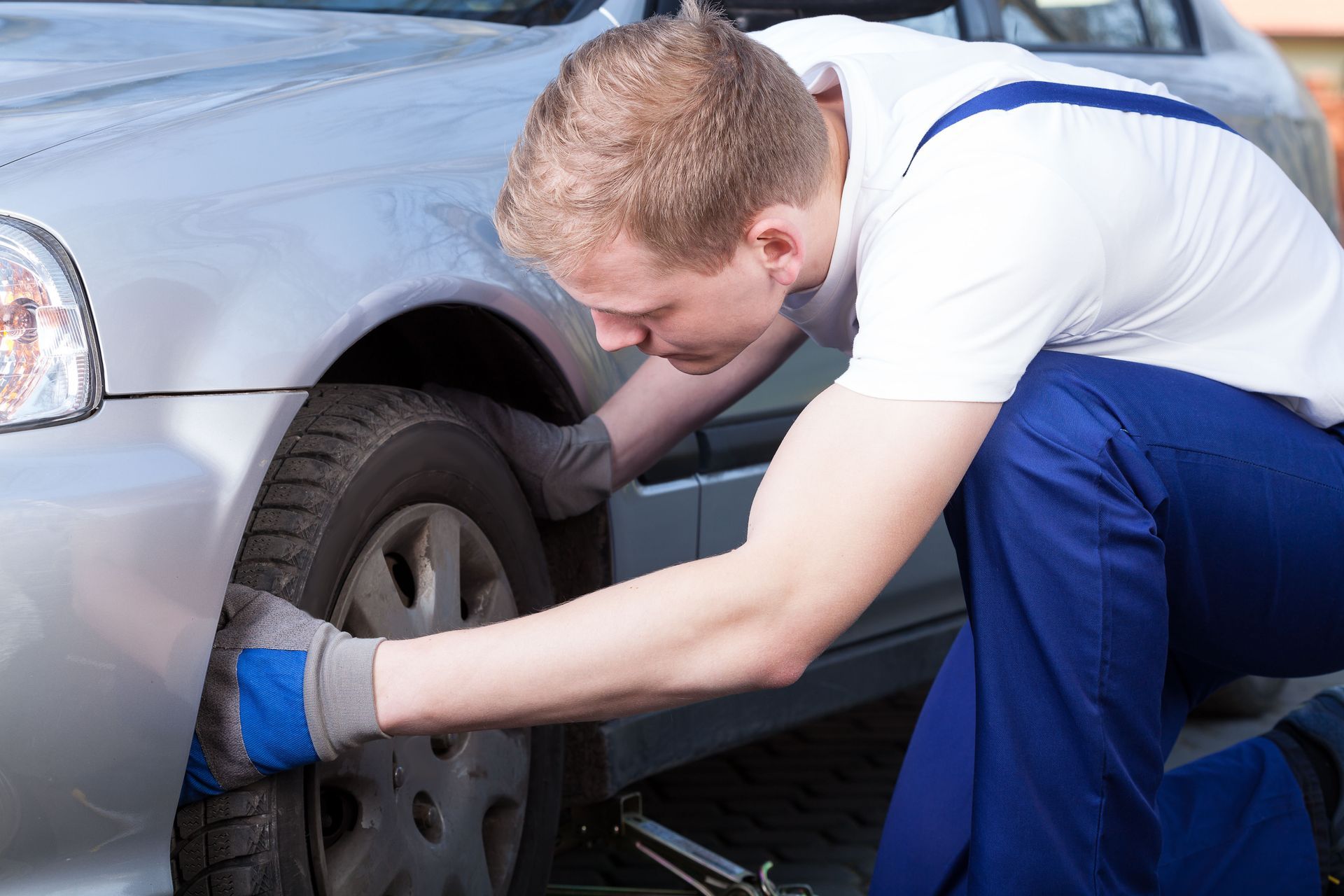
Beyond towing, many situations only require minor help. Battery jump starts, flat tire assistance, and off-road recovery can return the vehicle to service without a tow. Dispatchers evaluate whether emergency and roadside assistance fit better than transport. Understanding available choices saves time and money while keeping travel plans on track.
Plan Next Steps After the Tow
Once the vehicle reaches its destination, confirm the drop-off location with the driver and review any paperwork, including mileage or equipment used. Notify the repair shop if applicable, and keep receipts or photos for insurance purposes.
Ask about repair timelines and parts availability, and arrange alternate transportation if needed. Commercial fleets may need to adjust routes or assign backup vehicles. Saving the provider’s contact information and reviewing the experience afterward helps prepare for future incidents and ensures smoother trips ahead.
Knowing what to expect from the first call to the final drop-off turns an inconvenient moment into a manageable task. Clear communication, smart questions, and awareness of services such as wheel-lift towing, RV towing, and accident recovery service create a positive outcome. When reliable help is needed, we at Maggio’s Truck Center stand ready to provide prompt support and a straightforward process. Contact us to arrange professional assistance and get back on the road with confidence.