June 16, 2026
Flat tires and wheel damage can be significant obstacles for drivers. Understanding the causes, prevention techniques, and repair options can save time, money, and ensure safety on the road. In recent years, as automotive technology advances, diverse vehicle types have emerged, each imposing unique challenges concerning tires and wheels. According to Customer Market Insights, the rate of tire issues is extremely high in electric vehicles (EVs) as they weigh approximately 30% more than internal combustion engine cars. This guide provides comprehensive insights for drivers to navigate the complexities associated with flat tires and wheel damage, ensuring safer and more efficient travels.
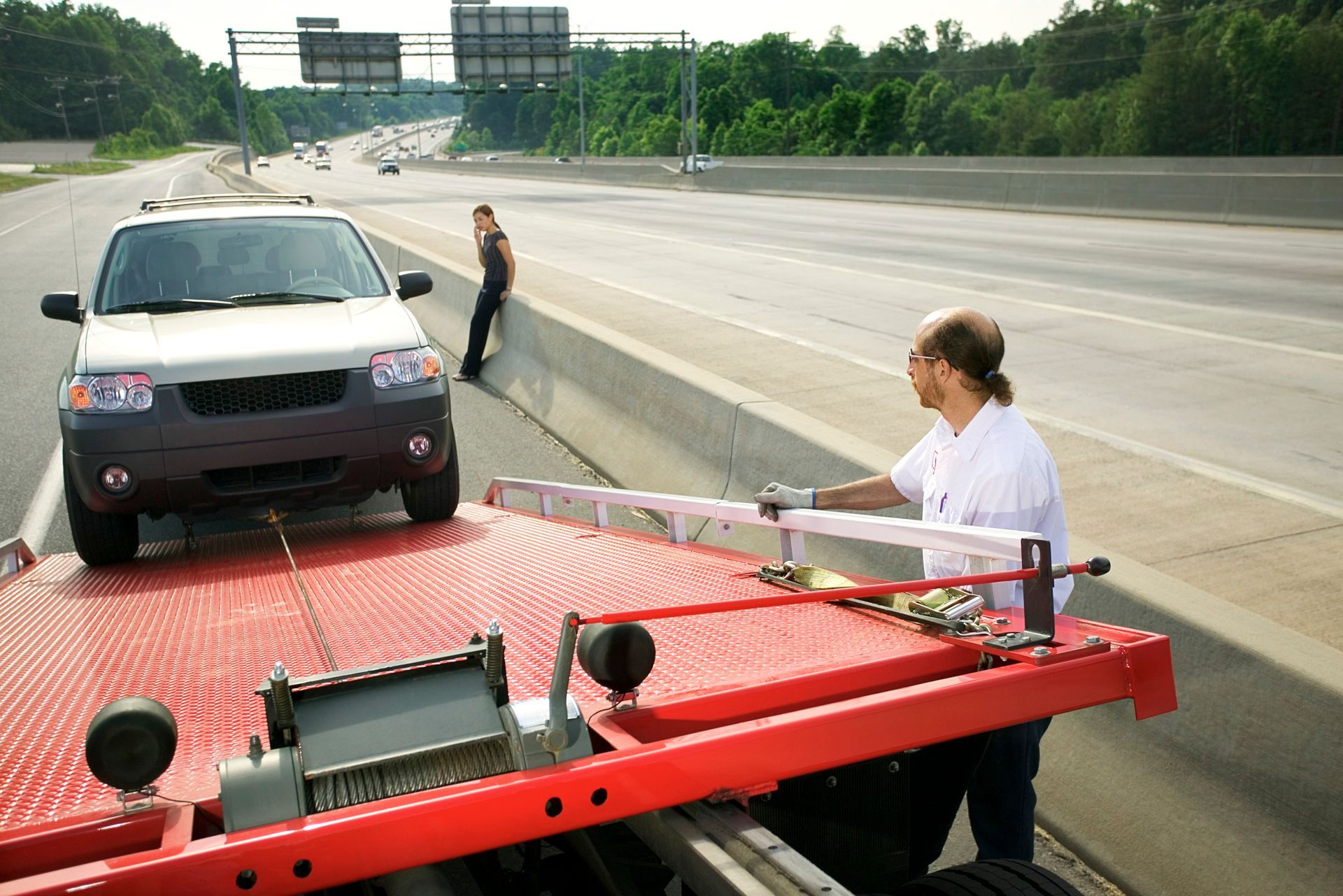
When unexpected tire failures occur on the highway, knowing how to handle the situation mitigates stress and prevents further vehicle damage. Drivers often find themselves vulnerable during these roadside emergencies, making access to reliable support systems essential. A professional flat tire assistance service offers a reliable safety net, providing prompt on-site aid when traditional DIY methods are impractical or unsafe. Utilizing these specialized resources ensures vehicle structural integrity remains protected while minimizing operational downtime.
Analyzing Common Causes of Tire Deflation
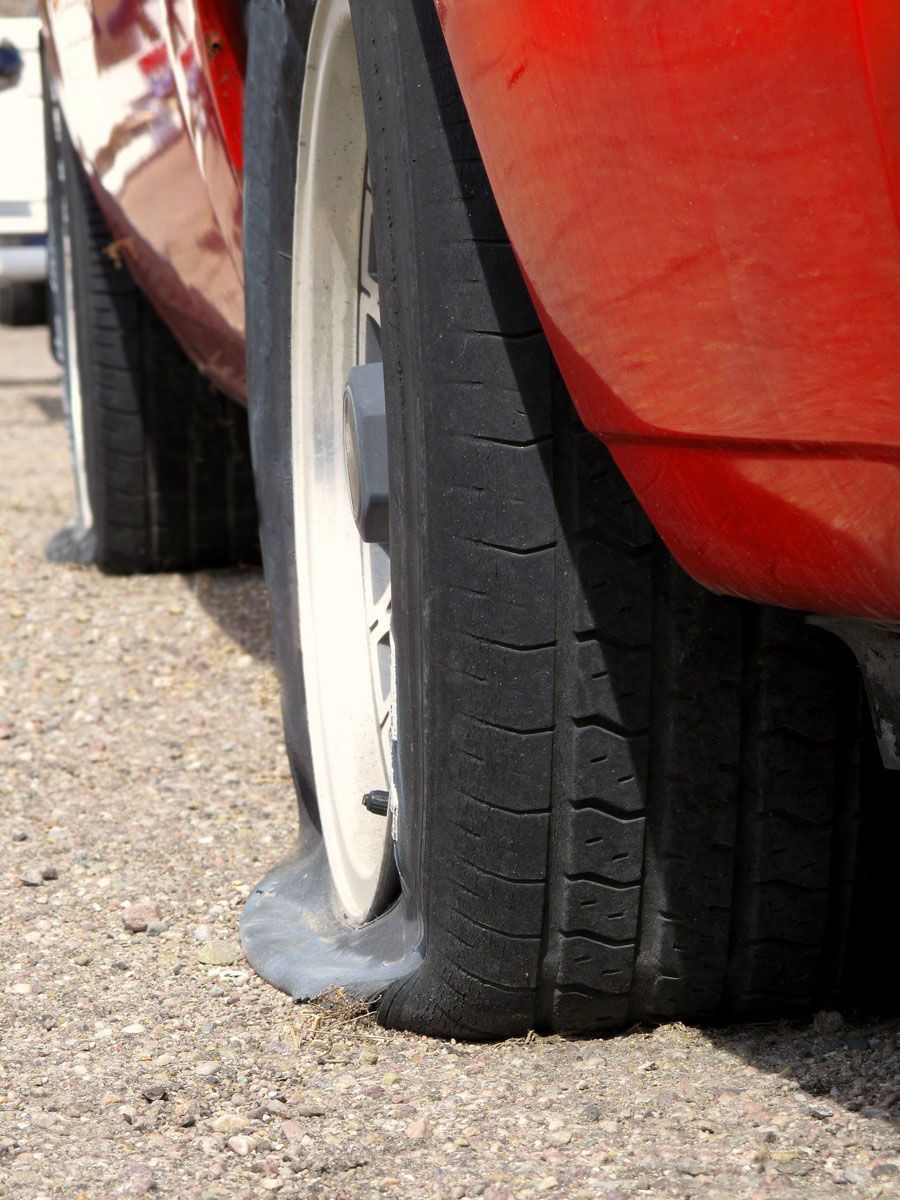
The roads we frequently drive on are home to nails, glass, and sharp debris that can easily puncture a tire. This type of damage is often sudden, leaving drivers with little time to respond before a flat occurs. While most modern tires offer some resistance to punctures, no tire is completely immune. Sometimes, the puncture is visible, allowing quick identification and repair. In other cases, the object may embed deeply, necessitating a thorough inspection by a professional team.
Valve stems, though small, play a crucial role in maintaining tire pressure. Over time, they can develop cracks or become corroded, leading to persistent air leaks. These leaks might not be immediately apparent, causing a tire to gradually deflate and increasing the risk of driving on under-inflated tires. Regular valve inspections and timely replacements can prevent potential flat tire scenarios. Neglecting valve stem maintenance could inadvertently sideline drivers in highly inconvenient locations.
Every journey involves potential hazards such as potholes, debris, or unexpected curbs. When a tire impacts a hard object with force, the effect can be catastrophic, resulting in punctures or sidewall damage. The impact isn't limited to the tire; it can also affect the wheel's alignment, causing uneven wear and reduced driving comfort. When these unexpected impacts cause immediate damage, utilizing a dedicated flat tire assistance service ensures that professional help arrives quickly to resolve the issue safely.
Recognizing Early Signs of Wheel Damage
One of the first indicators of wheel trouble is unusual vibrations or shaking during driving. Such sensations often hint at a warped or bent wheel, which could stem from recent impacts or accumulated stress over time. Drivers may notice this shaking more prominently at higher speeds, causing discomfort and potential safety risks. Addressing these early symptoms involves a professional assessment to ascertain if rebalancing or replacement is necessary. Ignoring these signs can exacerbate the damage, escalating repair costs.
Visual inspections of wheels can reveal critical damage such as cracks, dents, or scratches. These physical deformities compromise the wheel's structural integrity, increasing the chance of catastrophic failure. While some minor surface scratches might be benign, significant damage warrants immediate attention to prevent further deterioration. Regular inspection protocols are vital to catch these issues early, especially after a heavy collision with unexpected road obstacles.
Patterned tire wear signifies underlying wheel issues such as misalignment or imbalance. Bent wheels might unevenly distribute weight, leading to uneven wear and reduced tire lifespan. Recognizing and correcting the source of uneven wear prevents premature tire replacement and improves overall handling. If a sudden blowout occurs due to neglected wear patterns, contacting a flat tire assistance service remains the most efficient way to get back on the road.
Implementing Prevention Strategies for Drivers
Proactive vehicle maintenance includes regular tire inspections to assess current condition and identify potential budding issues. Frequent checks involve inspection of tire treads, sidewalls, and the presence of any foreign objects. These evaluations can preemptively address concerns like uneven tire wear, small punctures, or reduced tread depth. By incorporating periodic tire assessments into regular maintenance routines, drivers can significantly decrease the frequency of unexpected road failures.
Maintaining the correct tire pressure is essential in reducing excessive wear and potential driving hazards. Under-inflated tires increase rolling resistance, leading to heat buildup and accelerated degradation. Over-inflation, on the other hand, can reduce traction and increase the likelihood of impact damage. Regular pressure checks using a reliable gauge keep tires in an optimal range, with vehicle manuals providing the recommended figures for individual models.
Avoiding high-risk driving environments significantly minimizes the likelihood of tire and wheel damage. Actions like driving at moderate speeds, maintaining safe distances from curbs, and circumventing pothole-prone roads can prolong tire and wheel health. Safe practices also involve adapting driving behavior to weather conditions and ensuring defensive driving techniques to avoid abrupt stops. For drivers who experience a puncture despite taking precautions, a reliable flat tire assistance service provides prompt roadside relief.
Repairing and Replacing Damaged Tires
For small punctures, patching or plugging may provide an effective and economical solution. Tire repair shops can assess the damage and recommend appropriate fixes, often restoring full functionality. It's crucial to address punctures promptly to avoid further complications or total tire failure. DIY patch kits are available for immediate repairs, though not all damages are suitable for temporary solutions, making expert evaluation the preferred route.
There are scenarios where tire replacement becomes necessary, especially when damage exceeds repair capabilities. Criteria for replacement include identifying larger punctures, severe sidewall tears, or substantial tread wear. Tire age and environmental exposure also play roles in determining replacement necessity. In cases where patching won't withstand long-term use, a full replacement ensures safer and more reliable driving, enhancing overall vehicle safety.
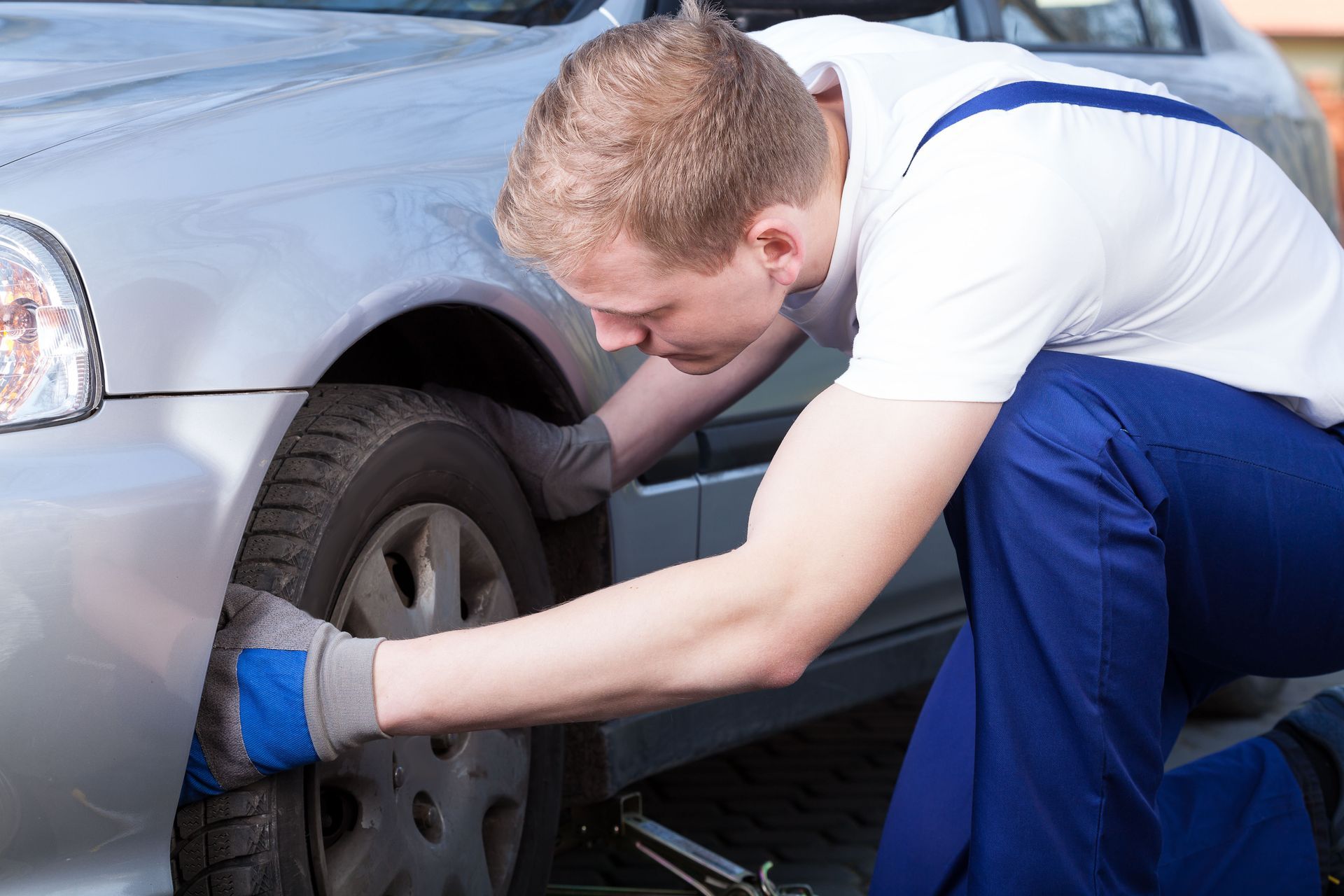
Choosing between DIY efforts and professional services involves weighing convenience against expertise. Many drivers opt for home repairs to save costs and time, using online resources and handy kits. However, professionals furnish comprehensive evaluations, reliable repairs, and warranty-backed solutions. When stranded on a dangerous highway shoulder, leveraging a flat tire assistance service is much safer than attempting a manual roadside replacement yourself.
Evaluating Wheel Repair Versus Replacement
Accurate assessment is pivotal in determining whether wheel damage should be repaired or the wheel replaced. Professional evaluations involve detailed inspection for structural integrity, alignment, and potential safety impacts. Various analytical techniques, such as wheel balancing, can expose unseen issues possibly invisible to the naked eye. Armed with sufficient diagnostic data, informed decisions can be made, weighing the pros and cons of repair versus replacement.
The arsenal of wheel repair techniques available varies depending on the nature and extent of damage incurred. Simple damages, like minor dents or surface scratches, can often be rectified cost-effectively through refinishing or alloy welding. For more severe wheel issues, repair shops might employ advanced techniques like CNC lathing to restore shape and smooth rolling surfaces. Engaging skilled professionals to undertake wheel repair promises optimal long-term results.
Situations arise where replacement supersedes repair as the more viable option. Cracked or heavily deformed wheels pose significant safety risks, making replacement imperative for responsible driving. Replacement also becomes a realistic consideration when repair costs outweigh expected service life. If wheel damage causes an immediate loss of tire pressure, contacting a flat tire assistance service ensures your vehicle is safely transported to an appropriate repair facility.
Understanding the causes, signs, and solutions to flat tires and wheel damage can significantly reduce the likelihood of roadside emergencies. Regular maintenance, informed decisions, and appropriate insurance coverage can provide peace of mind and prolonged vehicle performance. Emphasizing preemptive strategies fosters not only enhanced vehicle reliability but also safe and efficient driving. For more information about the services that we offer, reach out to our incredible team at Maggio's Truck Center today!