By Marty Maggio
April 15, 2026
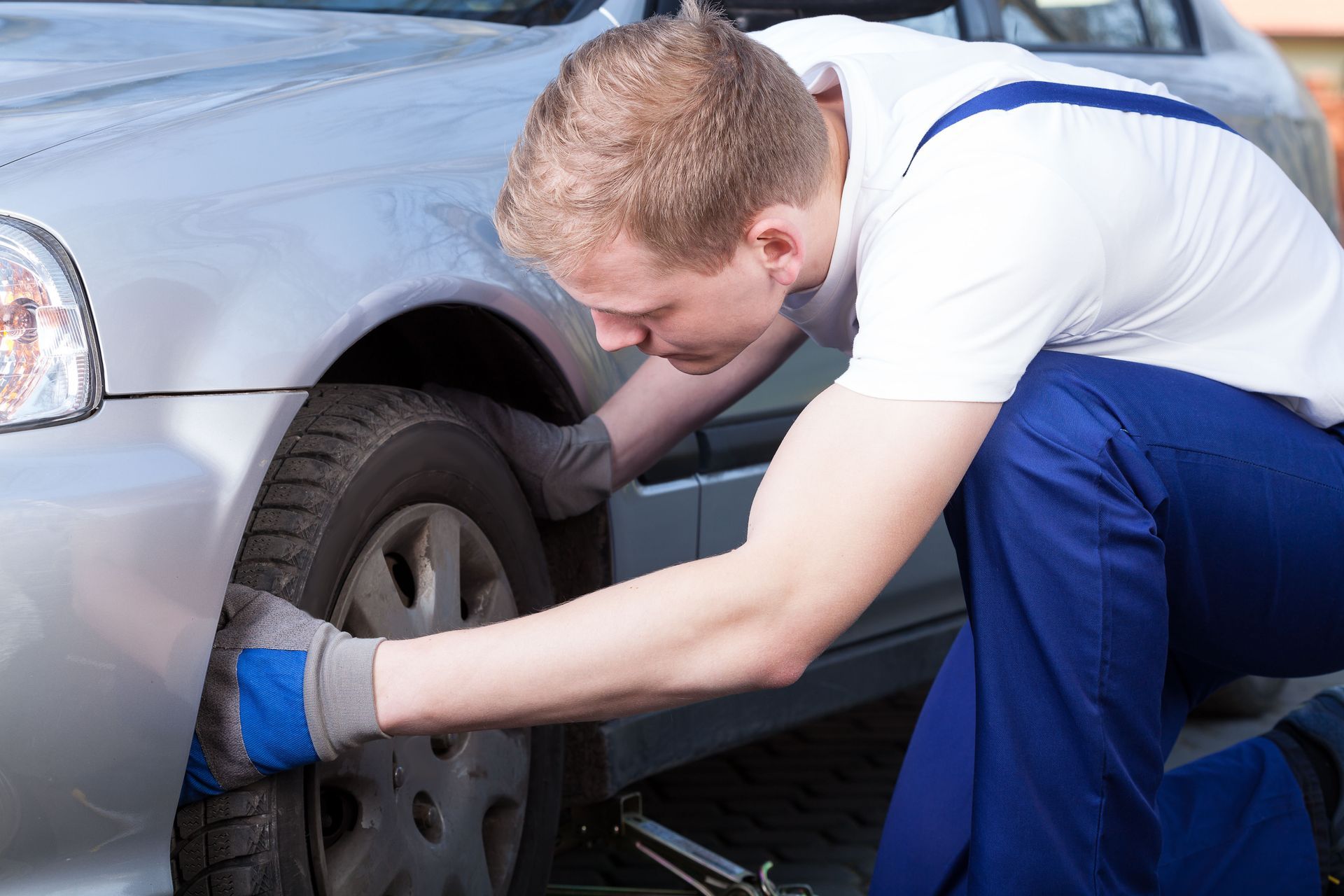
Flat tires represent frustrating inconveniences that strand motorists unexpectedly, creating safety concerns and schedule disruptions when they occur far from home. Many drivers don't understand what causes tire failures or when attempting self-repair proves unsafe compared to calling professional assistance. Understanding common flat tire causes helps you practice prevention while recognizing situations demanding professional help rather than DIY repairs. The difference between safely resolving tire problems and creating dangerous situations often comes down to knowing your limitations. Learning when professional assistance becomes necessary empowers you to make smart decisions, protecting your safety when tire failures occur.
Understanding Punctures From Road Debris
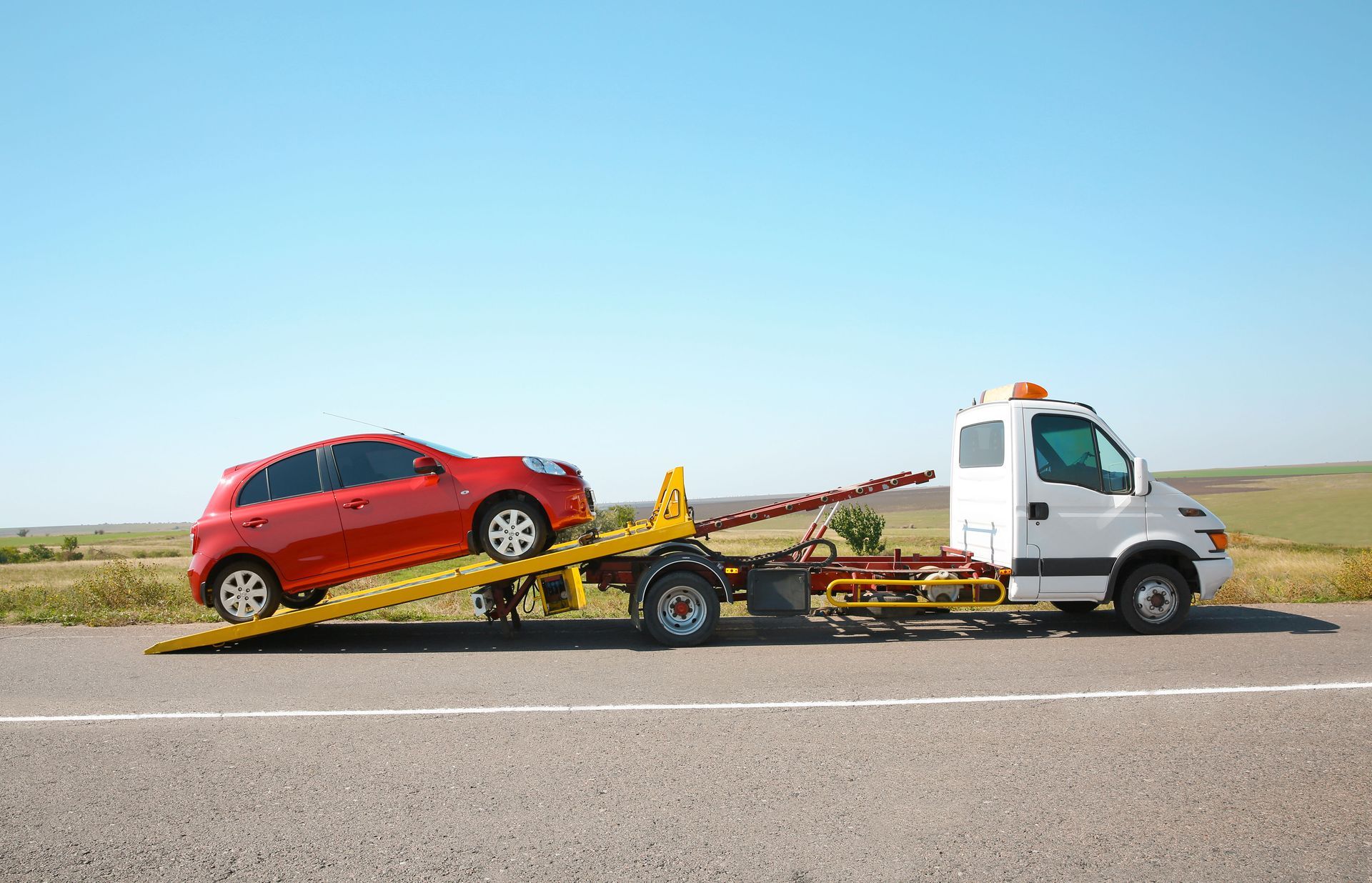
According to Customer Market Insights, towing is a core segment in the US roadside assistance market, commanding over 30% share. Nails, screws, glass shards, and metal fragments on roadways puncture tires, creating slow or rapid air loss depending on the object size. These punctures are most common in urban areas, with construction sites generating debris that accumulates on roads awaiting tire contact. The gradual pressure loss that small punctures create sometimes goes unnoticed until drivers discover completely flat tires after parking periods. Professional flat tire assistance providers safely remove vehicles from roadways, assess damage, and install spare tires when punctures prove too severe for roadside repair. They determine whether tires can be repaired or require replacement, guiding next steps rather than just changing tires.
Recognizing Valve Stem Failures
Tire valve stems deteriorate over time from sun exposure, age, and chemical degradation, causing air leaks that flatten tires gradually. These small rubber components prove critical for maintaining pressure, yet many drivers never inspect them until failures occur unexpectedly. The cracks that develop in aging valve stems allow slow leaks that may take hours or days to flatten tires completely. Experienced flat tire assistance technicians carry replacement valve stems, addressing failures on-site when possible rather than requiring tows to repair facilities. They inspect valve cores for proper seating, replace damaged stems, and ensure caps are present, protecting valves from contamination. The quick valve stem service they provide often resolves problems without spare tire installation when stems prove to be the only issue.
Identifying Sidewall Damage From Curbs and Potholes
Hitting curbs or driving through potholes damages tire sidewalls, creating bulges, cuts, or structural failures that require immediate tire replacement. These impacts compromise tire integrity in ways that repairs cannot address, making affected tires unsafe for continued use regardless of tread depth. The sudden air loss that severe sidewall damage creates leaves drivers stranded without warning when structural failures allow rapid deflation. Reliable tire assistance becomes essential for sidewall damage, as these tires cannot be repaired, and driving on them risks complete failure. Professionals assess damage severity, install spare tires when available, or arrange towing when vehicles lack functional spares for safe operation. They explain why sidewall repairs prove unsafe, helping drivers understand that replacement represents the only appropriate response to this damage type.
Understanding Temperature-Related Pressure Loss
Cold weather causes tire pressure drops as air contracts, potentially triggering low-pressure warnings or creating underinflated conditions affecting handling. This temperature effect proves particularly significant during seasonal transitions when temperatures drop substantially overnight from mild fall conditions to winter cold. The pressure loss that temperature creates sometimes reveals existing slow leaks that warmer weather masked through higher baseline pressures from heat. Professional flat tire assistance services help drivers distinguish between temperature effects and actual leaks requiring repair through pressure testing and visual inspection. They inflate tires to proper pressures, check for leaks using soapy water or electronic detectors, and recommend next steps. The diagnostic expertise they provide clarifies whether tire replacement, repair, or just inflation addresses the root cause of pressure loss.
Recognizing Tire Aging and Dry Rot
Tires deteriorate from age regardless of tread depth, with rubber compounds breaking down through oxidation, creating dangerous dry rot and cracking. This aging proves particularly severe in climates with intense sun exposure and temperature extremes, accelerating chemical degradation processes and destroying tire integrity. The cracks that aged tires develop in sidewalls and tread grooves indicate structural weakness that can cause sudden failures during highway driving. Knowledgeable flat tire assistance providers recognize aged tires requiring immediate replacement rather than just addressing immediate flat tire problems and sending drivers away. They check date codes, identifying tire ages, inspect for dry rot, and recommend replacement when age-related deterioration creates safety concerns. The safety guidance they offer prevents future failures that aged tires cause, despite appearing functional based on tread depth alone.
Identifying When Spare Tires Prove Inadequate
Compact spare tires have speed and distance limitations making them unsuitable for extended driving or highway speeds that normal use requires. These temporary spares prove adequate for reaching repair facilities but not for continued normal driving that risks spare tire failure. The limitations that donut spares impose sometimes prove impractical when flats occur far from repair facilities or during trips requiring highway travel. Professional flat tire assistance becomes essential when spare tire limitations prevent safe travel to destinations or when vehicles lack functional spares entirely. They provide towing services when spare tire use proves impractical, ensuring safe transport rather than risky driving on inadequate temporary tires. The transportation options they offer eliminate pressure to drive unsafely on spare tires beyond their designed capabilities and limitations.
Understanding Safety Concerns During Tire Changes
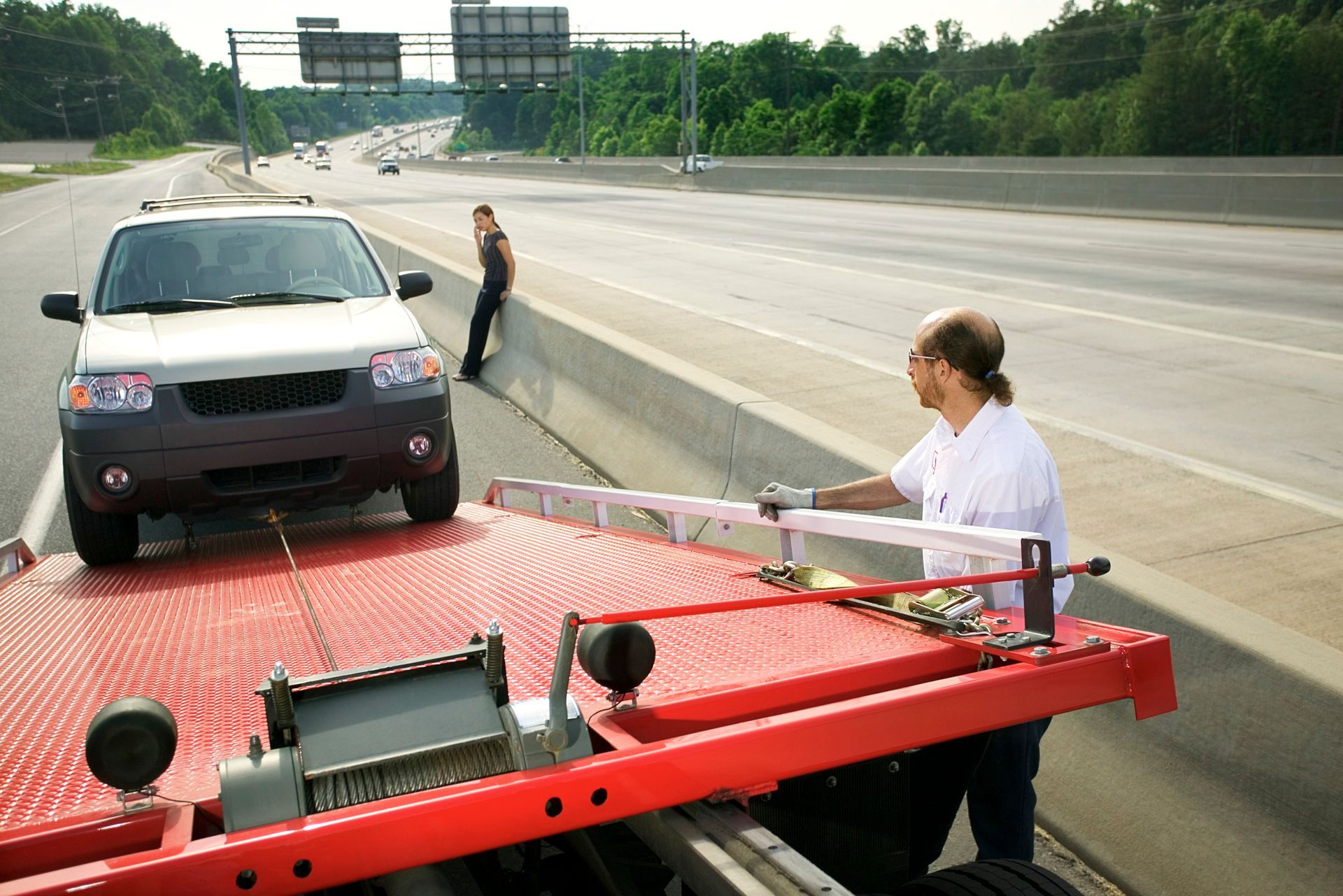
Changing tires on busy roadways creates serious safety risks from passing traffic, unstable ground, and inadequate jack support on uneven surfaces. These dangers prove particularly acute on highways where high-speed traffic passes within feet of disabled vehicles, creating life-threatening situations for motorists. The injuries that roadside tire changes cause make professional assistance safer than DIY attempts in many situations, despite perceived inconvenience. Trained flat tire professionals have proper equipment, safety training, and experience working safely in hazardous roadside environments that amateur tire changes lack. They use commercial-grade jacks, position safety cones, and employ techniques minimizing exposure to traffic during tire service on roadsides. The safety protocols they follow protect both technicians and motorists from the accidents that amateur roadside tire changes create too frequently.
Recognizing Physical Limitations and Tool Availability
Loosening lug nuts and operating jacks requires physical strength that some drivers lack, making tire changes impossible without assistance, regardless of knowledge. The specialized tools that modern wheel designs sometimes require may not be present in vehicles, limiting the ability to complete changes. The time that tire changes require proves excessive when drivers lack proper tools, knowledge, or physical capability for successful completion independently. Accessible flat tire assistance ensures all drivers receive help regardless of physical capabilities or tool availability, affecting their ability to change tires. Professional services complete changes quickly using proper equipment, returning drivers to roads efficiently compared to prolonged amateur struggles with inadequate tools. The efficiency they provide proves particularly valuable during inclement weather when extended roadside exposure creates additional discomfort and safety concerns beyond tire changes.
Understanding flat tire causes and when professional help becomes necessary helps drivers make smart decisions, protecting safety and minimizing inconvenience. The availability of professional assistance eliminates pressure to attempt unsafe tire changes in dangerous conditions or when physical limitations prevent success. Making informed choices about when to call for help ensures your safety while preventing the additional damage that inappropriate self-repair creates. Whether you need emergency and roadside assistance or specialized towing services including heavy-duty towing, truck repairs, train derailments, moving heavy equipment, trailer repair, 24-hour emergency towing, accident recovery, battery jump starts, flat tire assistance, commercial vehicle towing, heavy-duty towing, long-distance towing, off-road recovery, RV towing, flatbed towing, or wheel-lift towing, Maggio's Truck Center is available. For more information, contact us today!