By Marty Maggio
August 13, 2026
Experiencing an unexpected roadside breakdown creates immediate stress and confusion for any motorist. Drivers often make hasty, uninformed choices when seeking urgent help along busy highways. Selecting a local towing service without evaluating credentials leads to unnecessary delays, surprise charges, and vehicle damage.
According to Look Up a Plate, typical automobiles driven across American highways remain in service for approximately 12.1 years, which directly elevates mechanical failure frequency and escalates roadside assistance requests. Understanding these rising vehicle breakdown statistics emphasizes why every driver must prepare effectively.
Navigating roadside emergencies requires calm judgment and clear strategic planning. Small oversights during initial dispatch phone calls frequently produce major complications later in the recovery process.
Careful communication remains essential whenever sudden automotive challenges occur. Recognizing common mistakes allows stranded motorists to secure prompt help while maintaining complete control over repair choices and expenses.
1. Verify Driver Credentials Immediately
Unlicensed operators sometimes exploit stranded motorists during vulnerable roadside emergencies. Requesting official business identification and current state licensure protects vehicle owners against unauthorized tow truck operators. A professional local towing service willingly displays verified credentials before commencing any vehicle hookup or loading procedures.
Legitimate operators maintain comprehensive liability insurance policies covering potential transport damages. Stranded drivers must confirm adequate policy coverage prior to granting vehicle access. Requesting written proof of insurance safeguards car owners against financial responsibility if accidental damage occurs during transit or flatbed loading.
Verifying company badges and official truck decals prevents fraudulent roadside scams. Drivers should inspect company logos on technician uniform apparel and service vehicles. Matching dispatcher descriptions with arriving operators ensures that dispatched personnel represent legitimate, accredited roadside assistance organizations.
Reputable companies prioritize total transparency throughout every customer interaction. Thorough driver verification safeguards personal property and guarantees that qualified personnel manage recovery machinery properly.
2. Provide Precise Location Details
Descriptive landmark information accelerates response times significantly during stressful emergency situations. Drivers frequently give vague spatial descriptions that confuse dispatch teams. Explaining exact surroundings helps a local towing service locate disabled vehicles without extended searching delays along unfamiliar routes.
Modern smartphone navigation applications offer exact geographical coordinates for stranded motorists. Sharing digital location pins eliminates routing guesswork and speeds up technician arrival. Accurate position reporting remains critical when stranded along high-speed expressways, multi-lane interstates, or dark rural roads.
Identifying nearby environmental markers simplifies dispatch navigation routing considerably:
- Highway mile marker number designations
- Nearby street intersection or exit names
- Prominent commercial business signage or storefronts
- Distinct geographical or topographical landmark features
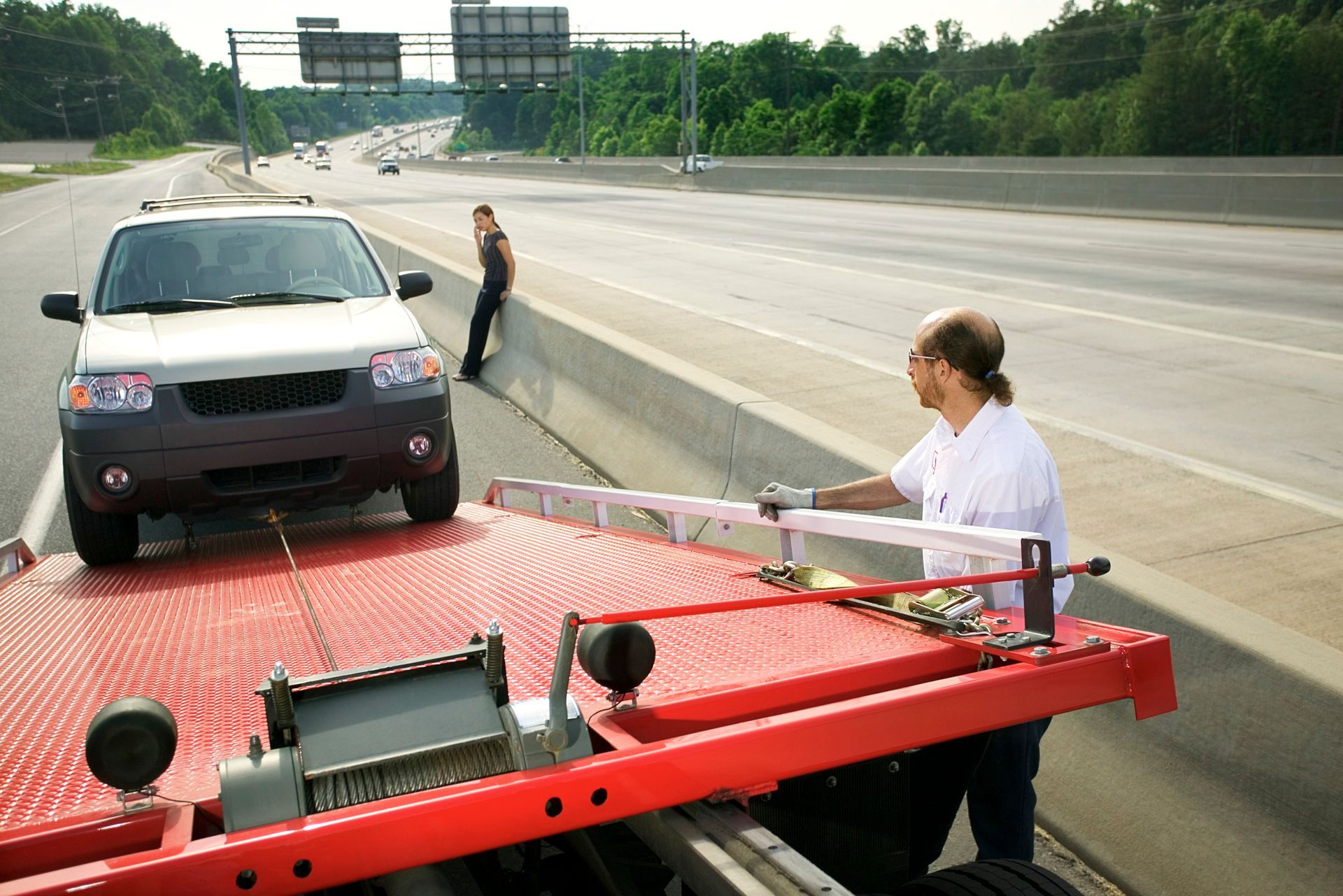
Clear spatial communication prevents dangerous waiting periods beside high-speed traffic lanes. Technicians arrive faster when dispatchers receive exact location coordinates. Precise details minimize driver confusion, lower emergency response times, and keep stranded vehicle occupants safe from oncoming traffic hazards.
Emergency responders rely heavily on accurate caller directions during traffic incidents. Detailed descriptions allow operators to select optimal travel routes and bypass heavy traffic bottlenecks. Correct coordinates protect stranded passengers by reducing overall exposure time on dangerous road shoulders.
3. Prepare Vehicle Transport Safety
Leaving valuable personal possessions inside disabled automobiles creates unnecessary risk during transit. Laptops, wallets, legal paperwork, and small electronics should be removed before towing. A reputable local towing service recommends clearing personal belongings to ensure complete item security during haulage.
Securing loose exterior automobile components prevents hazardous road debris during transport. Damaged bumpers, hanging body panels, side mirrors, or aftermarket roof racks require proper stabilization before tow trucks depart. Taking quick preventative measures protects following motorists from unexpected flying debris on public highways.
Documenting existing vehicle conditions provides vital evidence regarding pre-existing cosmetic state. Taking clear digital photographs from multiple angles creates undeniable proof of automobile baseline condition. These detailed photos protect vehicle owners if unexpected physical damage occurs during loading or transit procedures.
Checking steering locks and transmission settings prepares automobiles for safe loading procedures. Disengaging parking brakes prevents unnecessary tire dragging, suspension stress, or mechanical transmission strain. Following basic vehicle preparation steps guarantees smooth, effortless loading onto specialized flatbed recovery equipment.
4. Confirm Clear Pricing Estimates
Unexpected service charges create immense frustration for stranded vehicle owners. Requesting comprehensive fee breakdowns before agreeing to service prevents surprising invoices after vehicle delivery completes. Asking detailed financial questions upfront ensures total cost transparency throughout the entire vehicle recovery process.
Reliable dispatchers explain base hookup rates, per-mile transport charges, and potential storage fees clearly. Requesting itemized verbal quotes before dispatching assistance protects motorists from hidden surcharges. A reliable local towing service maintains clear, upfront fee structures for every roadside recovery situation.
Clarifying acceptable payment methods avoids awkward payment disputes upon technician arrival. Confirming whether operators accept major credit cards, mobile digital payments, or cash prevents unexpected roadside payment complications.
Requesting written price confirmations protects consumers against unexpected billing modifications. Saving digital receipts ensures accurate recordkeeping for insurance coverage reimbursement claims.
5. Maintain Direct Contact Communication
Remaining reachable by telephone ensures smooth coordination with incoming assistance drivers. Disabled motorists often ignore calls from unknown business numbers, causing delayed service. A professional local towing service relies on open phone lines to convey real-time arrival updates and traffic delays.
Keeping mobile device batteries adequately charged enables continuous communication with dispatch teams. Portable power banks or car charging cords maintain device power during extended roadside waiting periods.
Essential communication habits during roadside emergency wait periods include:
- Answering calls promptly from unknown business phone numbers
- Keeping device volume set to loud ring settings
- Notifying dispatch immediately if your physical position changes
- Monitoring incoming text messages for live technician updates
Informing dispatchers about total vehicle passenger counts guarantees appropriate transport vehicle assignment. Standard tow truck cabs offer limited passenger seating capacity for extra riders. Sharing occupancy details ensures dispatchers send adequately sized recovery vehicles or arrange additional passenger transportation.
Prompt phone responses prevent unnecessary driver rerouting or canceled dispatch requests. Clear status updates keep motorists and operators informed throughout shifting traffic conditions.
6. Request Proper Towing Equipment
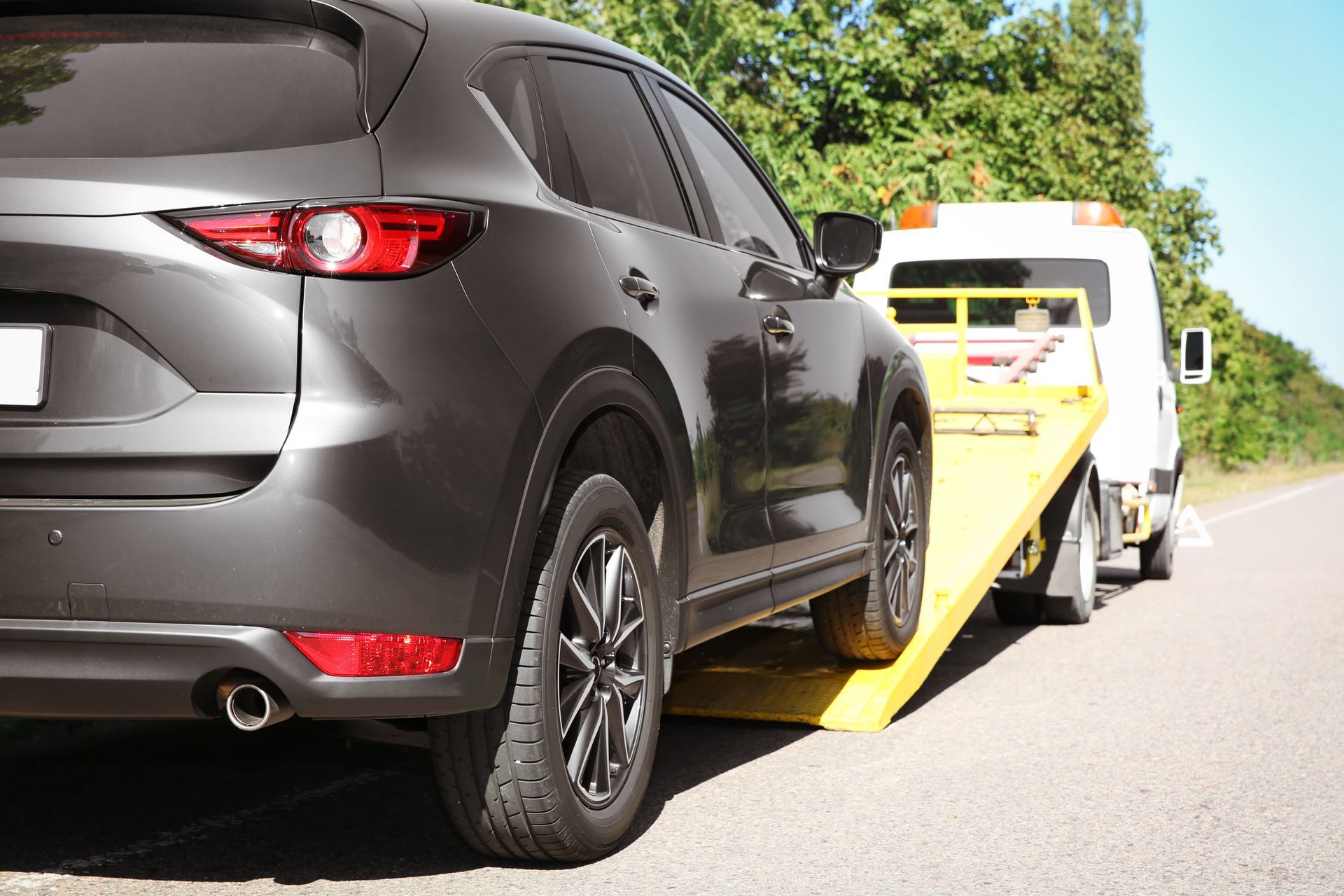
Matching recovery equipment to specific vehicle specifications prevents severe mechanical damage. All-wheel drive cars demand flatbed transports rather than conventional wheel-lift towing trucks. Hiring a knowledgeable local towing service guarantees correct equipment deployment tailored to your automobile design and drive system.
Heavy vehicles require specialized rigging gear to guarantee safe transport across long highway distances. Large sport utility vehicles, commercial vans, or heavy trucks demand robust recovery apparatus.
Explaining specific mechanical failures helps dispatchers select optimal recovery tools. Informing operators about locked steering columns, missing wheels, or severe axle damage ensures specialized wheel dollies arrive.
Transporting electric vehicles requires strict adherence to manufacturer loading guidelines. Improper flatbed securing techniques or improper towing methods cause severe drivetrain or battery damage.
Navigating unexpected vehicle breakdowns requires careful preparation, clear communication, and informed decision-making. Avoiding common towing mistakes protects your valuable automotive investment while minimizing stress during sudden roadside emergencies. Selecting a dependable local towing service guarantees prompt, professional assistance whenever unexpected mechanical trouble strikes along your journey.
Knowing how to handle roadside emergencies ensures safe, efficient recovery for any vehicle type. From verifying operator credentials to specifying necessary transport equipment, taking proactive measures makes a huge difference during stressful breakdowns.
When sudden mechanical failures leave you stranded on the road, rely on experienced professionals who prioritize safety, efficiency, and complete customer satisfaction. For dependable roadside assistance and comprehensive repair solutions, rely on Maggio's Truck Center to handle your vehicle transport needs with care and professionalism.